


Storytelling Tips – Delivering Your Story in Person
Storytelling is a significant marketing tool that guarantees the necessary response to a call to action. However, this can only be the case, if the story is tailored to the needs of the customers and if it is delivered well.
While you may have a great story idea, it could fail to attract or hold the audience’s attention just because your body language doesn’t send the consistent message you want. How then do you deliver your story without worrying that your audience is getting bored? Read on to learn a few tips on how to master your in-person storytelling approach.
1. Focus On Your Body Language
Your body language means a lot when it comes to differentiating a static and dull presentation and one that is engaging and dynamic. You need to master all the various elements of effective body language when delivering your story in person. These include the right posture, eye contact, gestures, position and movement, and facial expressions. All your presentation aspects like the tone and content should align with your body language if you are hoping to win the audience.
2. Emotions Spark and Connect
In stories, emotions trigger related memories for the listener, which help you connect with them. Create heart-wrenching scenes that pull the strings of your audience’s heart. It could be getting scared, happy, sad, or even content but the bottom line is that you should aim at sparking the right emotions. All your figures and facts will never matter until you develop an emotional connection with your listeners. A simple way to achieve this is to think and settle on an emotion that you intend to communicate then offer the necessary supporting information.
3. Incorporate The 5C’s Of Effective Storytelling
A great story should contain 5 mesmerizing elements, called “The 5 C’s of Storytelling. They are:
- Circumstance details help to set the stage with potentially familiar background information about an underlying situation.
- Curiosity about a “teaser,” problem, solution, situation, etc. compels your audience to keep listening and connect with the story on a deeper level.
- Characters in your story resonate with readers in a “me too” way when the audience can picture themselves in the same situation or feeling the same way as the characters.
- Conversation between the characters in the story brings the story to life. In turn, meaningful, memorable phrases and concepts make listeners want to quote and share the content with others.
- Conflict provides the hook that keeps the audience following the storyline from learning the problem to finding a solution or outcome. Keep in mind that in business storytelling, it’s best to have a “happy ending” to the story.
Start by laying out circumstances and fill the scene with crucial information to set the readers in the mood. Make use of curiosity to make the listeners want to hear more of the story. Your audience will only listen if your story has something to be curious about. Include your characters and their conversations in your story. Engage the listeners through dialogue and use conflict to build the story.
4. Hook Your Audience With What Matters
Every storyteller looks forward to ‘Good story… can we hear it again?’ question. However, such a statement only comes after you deliver a story that matters to your audience. The secret is in understanding your audience’s needs, tastes, and problems and working your story ideas around such issues. The story does not have to be long provided it carries information that the listeners what to hear.
Storytelling is a powerful tool that can help evoke the necessary emotions and boost customer engagement and loyalty. However, it takes a lot of effort including how you present the story for it to attract the right attention and response. Having a clear plan, adopting dynamic and engaging body language, and offering the appropriate conflict or challenge often translates into a winning story.

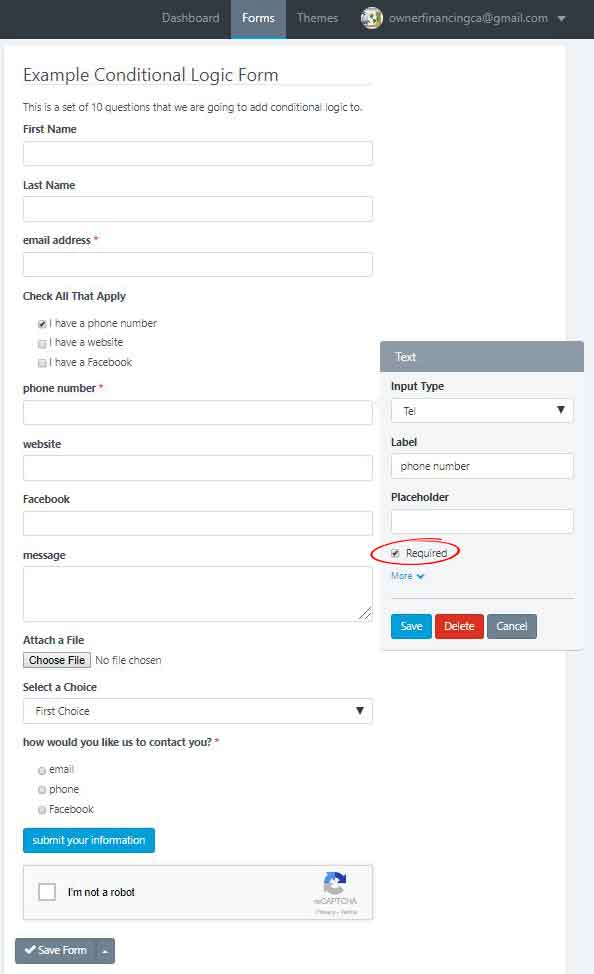
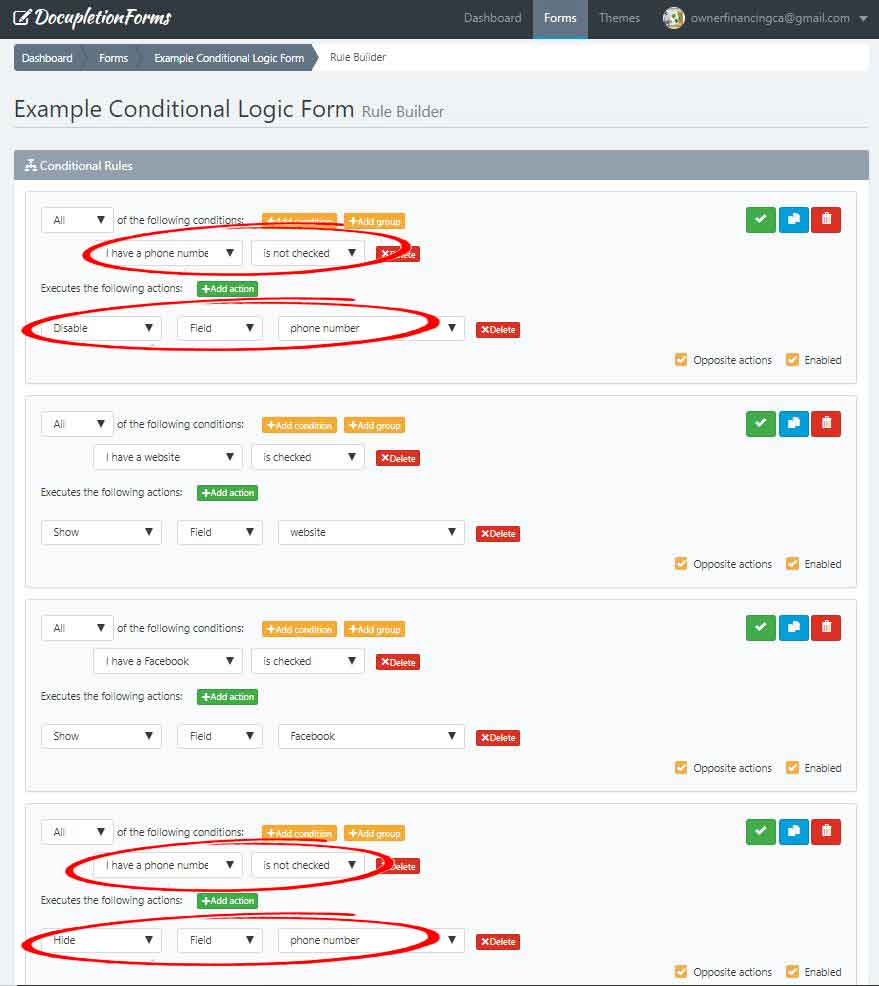
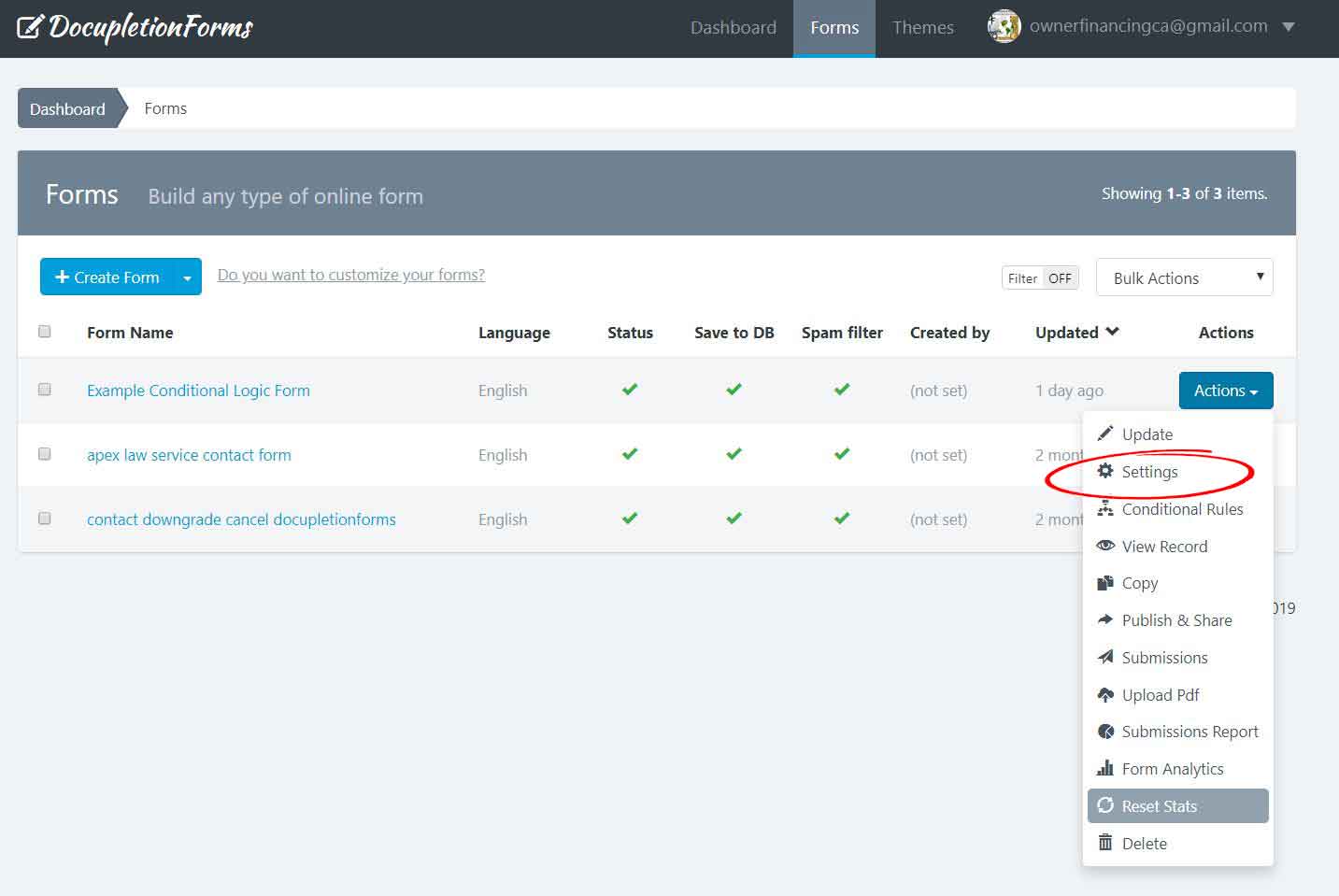 2. Click the circled elements and make sure to enter the appropriate information so that the person submitting their form receives a confirmation email. I circled the redirect to another page setting, but you can select the two options that give the person submitting the form a message rather than redirecting them anywhere.
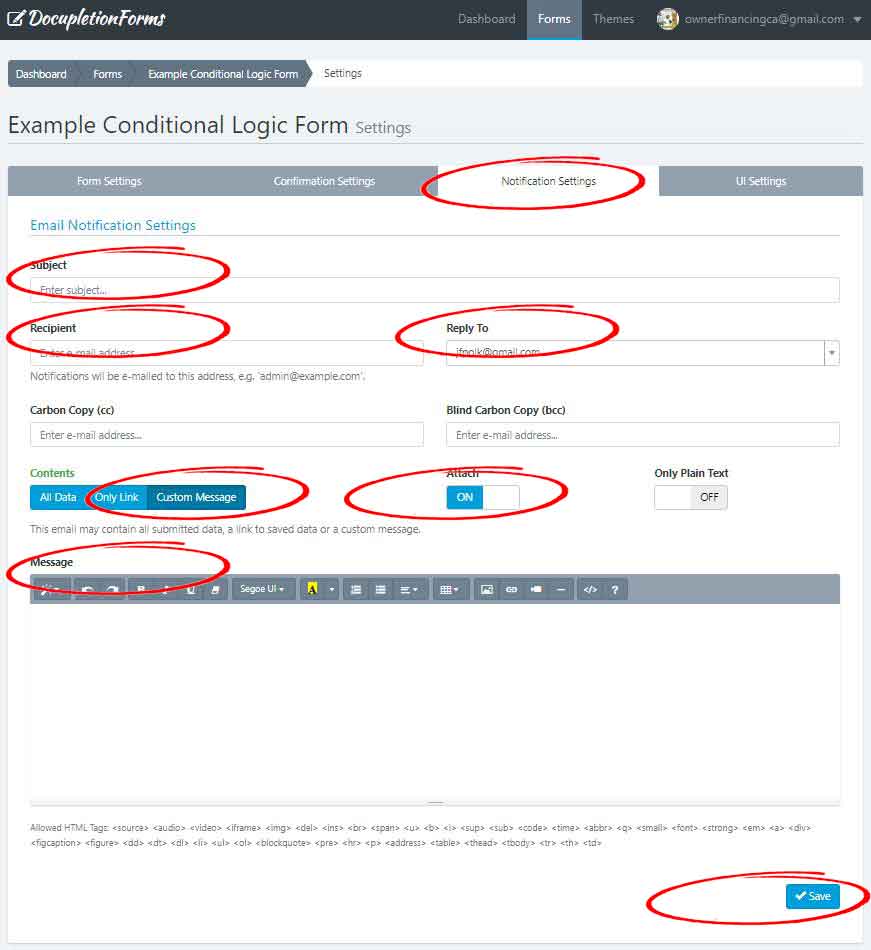
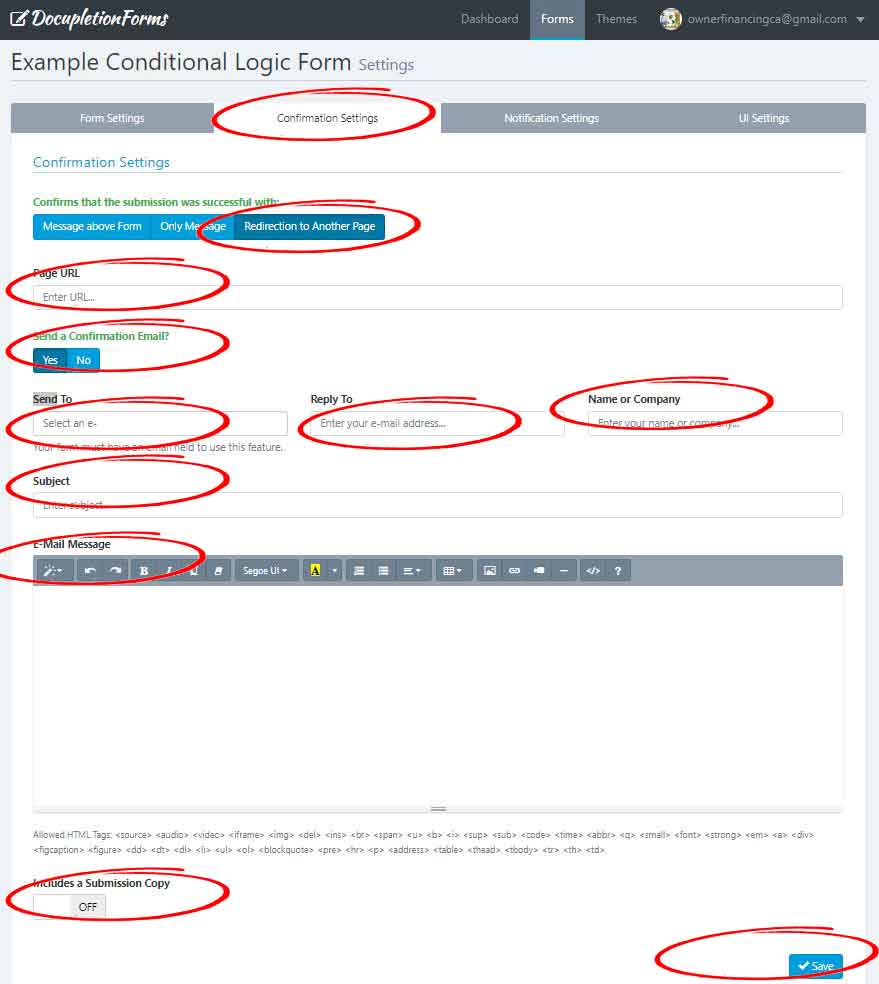 3. Click the circled elements and make sure to enter the appropriate information so that you yourself receive a preset notification email.
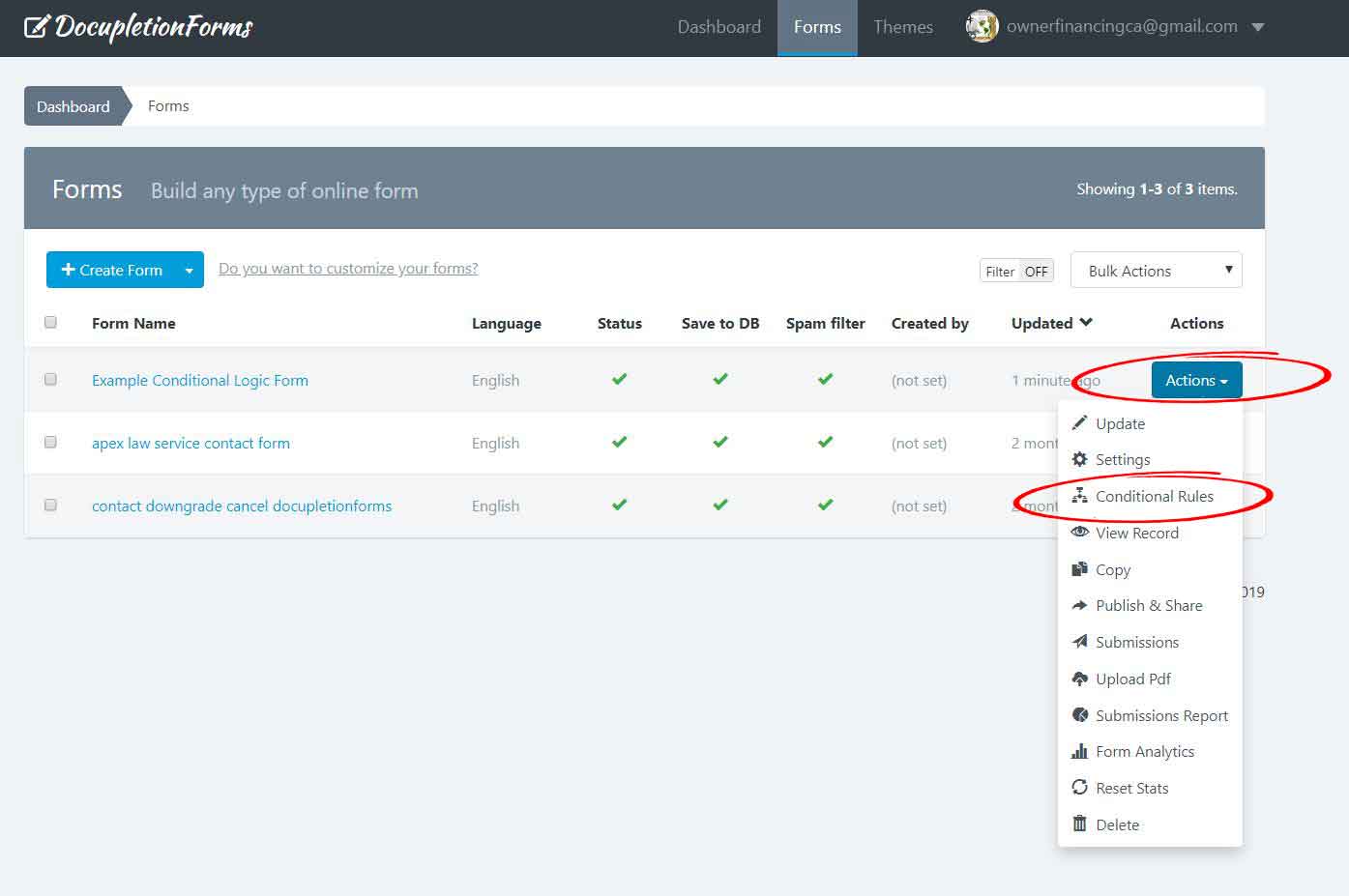
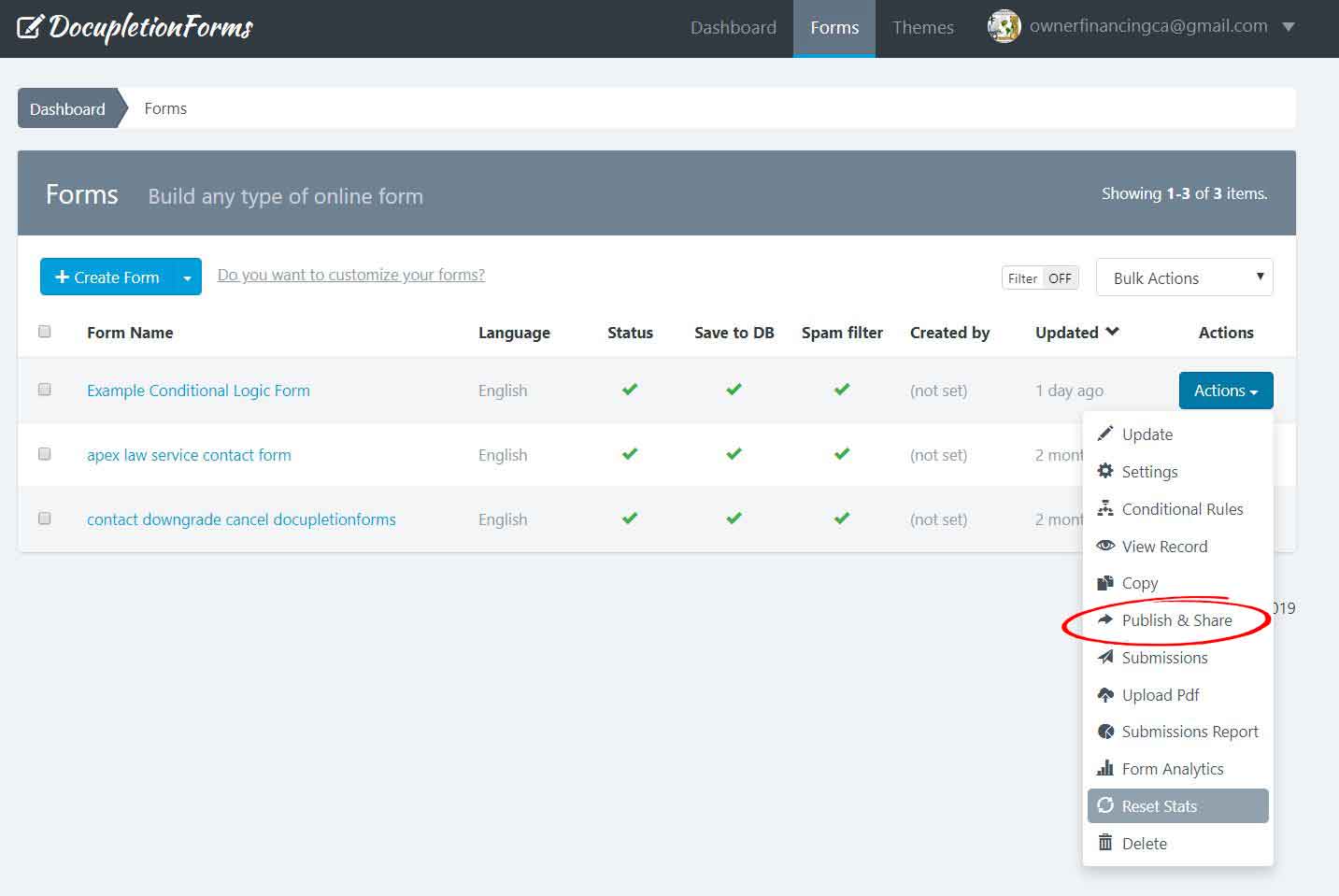
 4. Click the publish & share tab in the actions drop down menu in the form tab.
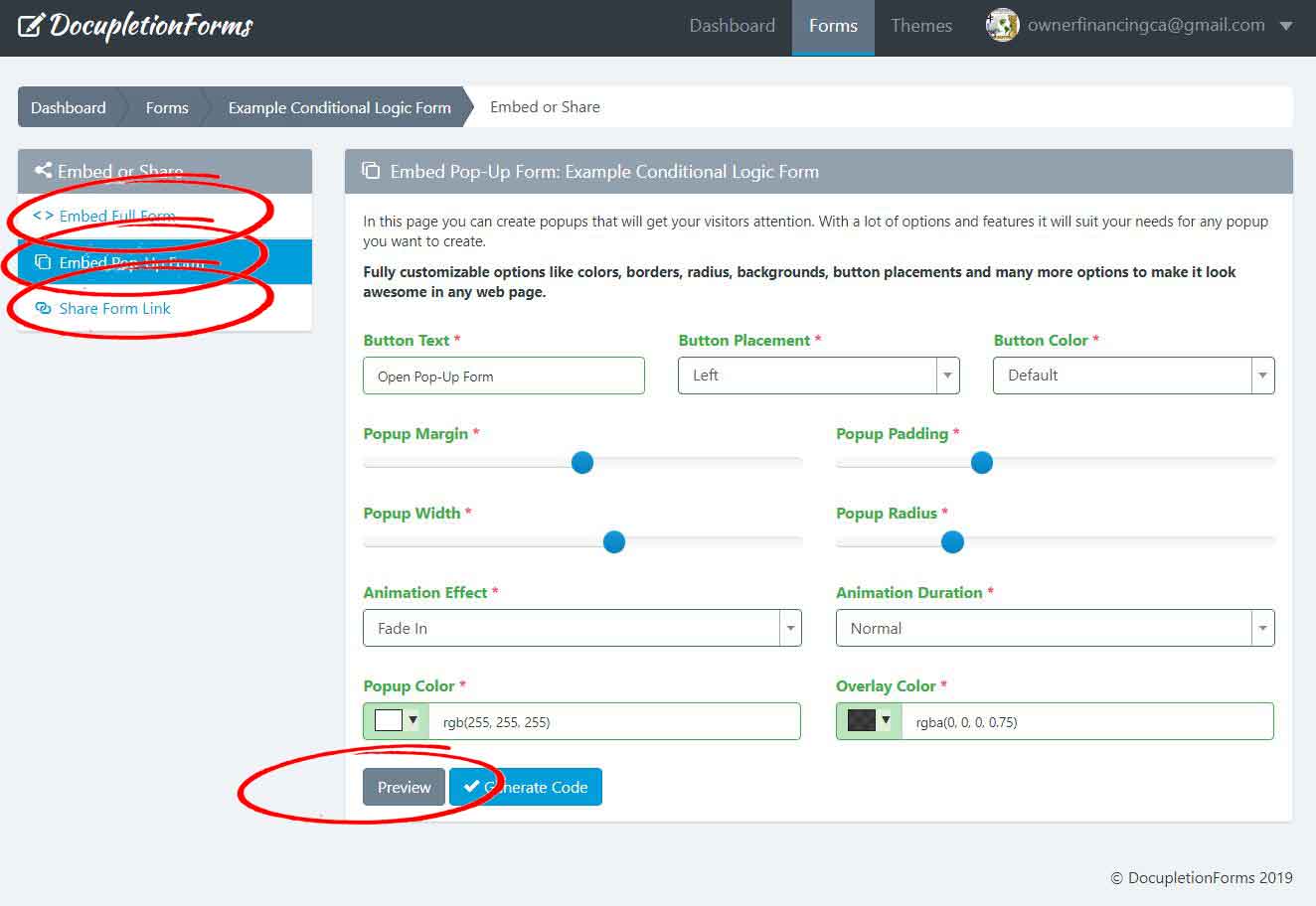
 5. Click either the embed full form tab (gives you an html code to embed into your page where you want to embed the form. Our name will not appear at the top of your form), the embed pop up form tab (gives you an html code and it is really nice looking the way it makes the form pop over the page where you embed it. It can cause problems with the spacing on your desktop viewed website pages and it can also interfere with smartphones. You just have to fiddle with it. It is super nice looking. Our name will not appear at the top of your form), or the share link tab (leave the without box checkbox unchecked at the bottom friendly link section and our name will show at the top of your form, check it and it will not show, but it will be a full page).